CS06 / TestOut / 2019–2022
Cybersecurity Awareness Month
Turning a national awareness month into a yearly campaign that built pipeline
Relevant for: Demand gen & sales development · EdTech · Fractional projects
webinar registrants in 2019, a record and about double our normal turnout
Key results
- Ran every October from 2019 to 2022, improved year over year
- 2019: a record 742 webinar registrants, about double our normal turnout
- 2020: 3,445 submissions and 908 prospects asking for course access
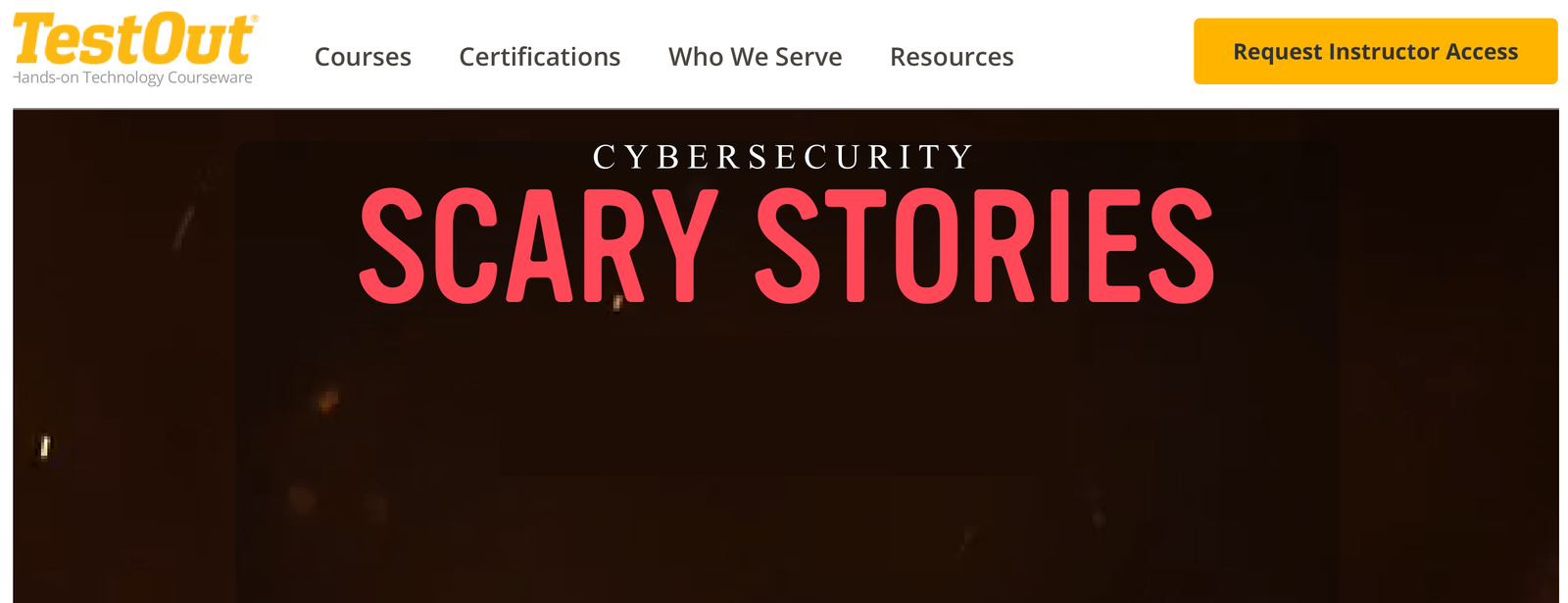
- Original content series: 'Scary Stories' audio and video episodes
- Multichannel: mail, email, web, webinar, social, in-product
The problem
Every October, every security vendor talks about Cybersecurity Awareness Month. For TestOut, whose courses prepared students for security careers, it was a natural moment, but goodwill alone doesn’t build pipeline. The challenge: give instructors something they and their students would actually use, and turn that engagement into conversations with prospects.
What I did
I led the campaign each year and was hands-on wherever the team needed it. It was a whole-team effort, with several team members owning different pieces.
Gave schools something to do, not just read. Each year had a mix of activities instructors could use in class:
- A contest and lab challenge, with hidden codes in hands-on labs and prizes and grants for winners.
- Free online safety certificates students could earn.
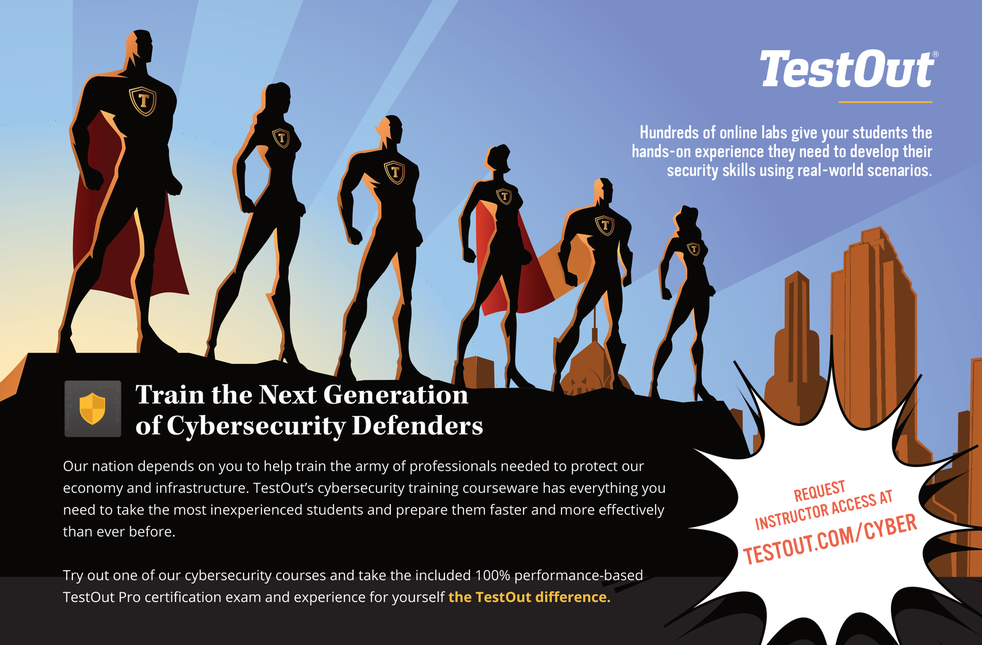
- Classroom posters schools could order.
- A live webinar on teaching security.
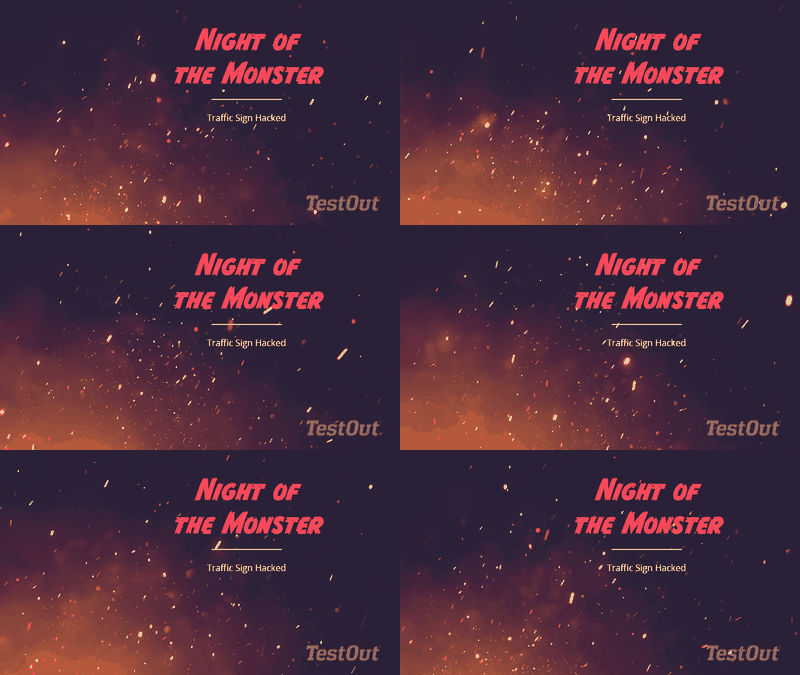
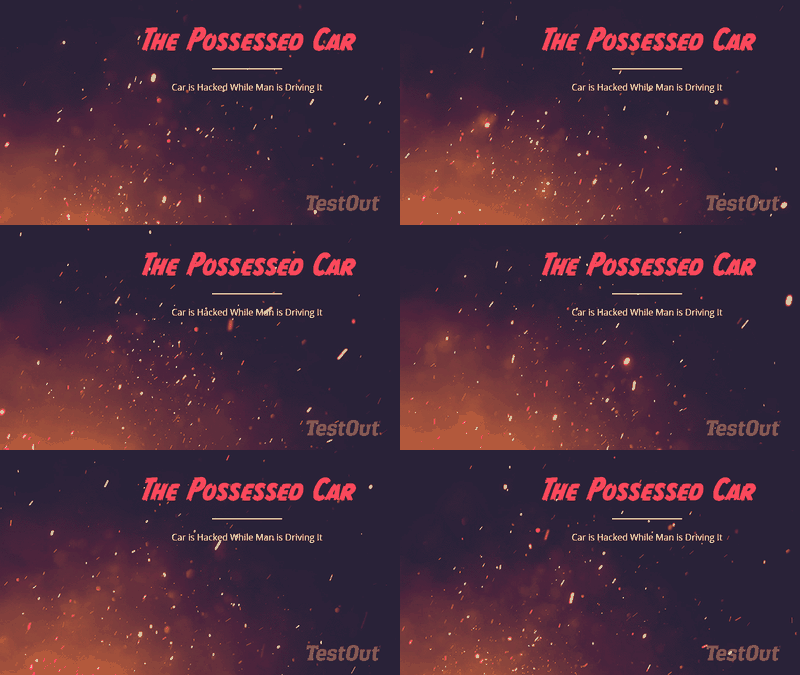
Made original content. The team produced “Scary Stories”: short audio and video episodes about real data breaches and security failures, told as Halloween-style stories, with animated GIFs for social and email. The series had its own hub page on the website.
Reached prospects on several channels. A direct mailer went to non-customer instructors, alongside email, web pages, social and messages inside the product. Every activity led to a form, so engagement became a lead that sales could follow up on.
Learned from each year. After 2019 we wrote down what to change: a simpler landing page, a real person as the sender, and separate tracks for K-12 and Higher Ed. The next year’s campaign was built from that list.
Results
- Ran every October from 2019 to 2022 and became one of the year’s anchor campaigns.
- An original content series (“Scary Stories”) that kept getting views on the website.
- A repeatable playbook: activities, offers, channels and follow-up, improved year over year, starting from a written retro after 2019.
- 2019: a record 742 webinar registrants, about double our normal turnout, and 2,414 contest entries.
- 2019 mailer to 17,647 Higher Ed prospects at $0.72 each, about $6K under estimate.
- 2020: 3,445 submissions and 908 prospects asking for course access, on a budget under $8,000.
Why it matters
For demand gen: a strong campaign gives people something worth doing and then makes the follow-up easy. For EdTech: I designed for how teachers actually use materials in class. For fractional work: this is a self-contained program, with planning, creative, channels, follow-up and retro, that I can stand up for a client.
The work
Fig. 6.1Cybersecurity Awareness Month creative